
Founded in 1974, the Electric Power Research Center (Cepel) is one of the most widely-respected Research and Development (R&D) institutions in the electricity sector in Latin America. With more than five decades of experience, it is considered a benchmark as a non-profit Scientific, Technological and Innovation Institution (STII), combining a top-level technical staff with a world-class laboratory infrastructure.
We combine applied research, agile experimentation, transversality and data-driven decisions to make innovation our competitive differential.

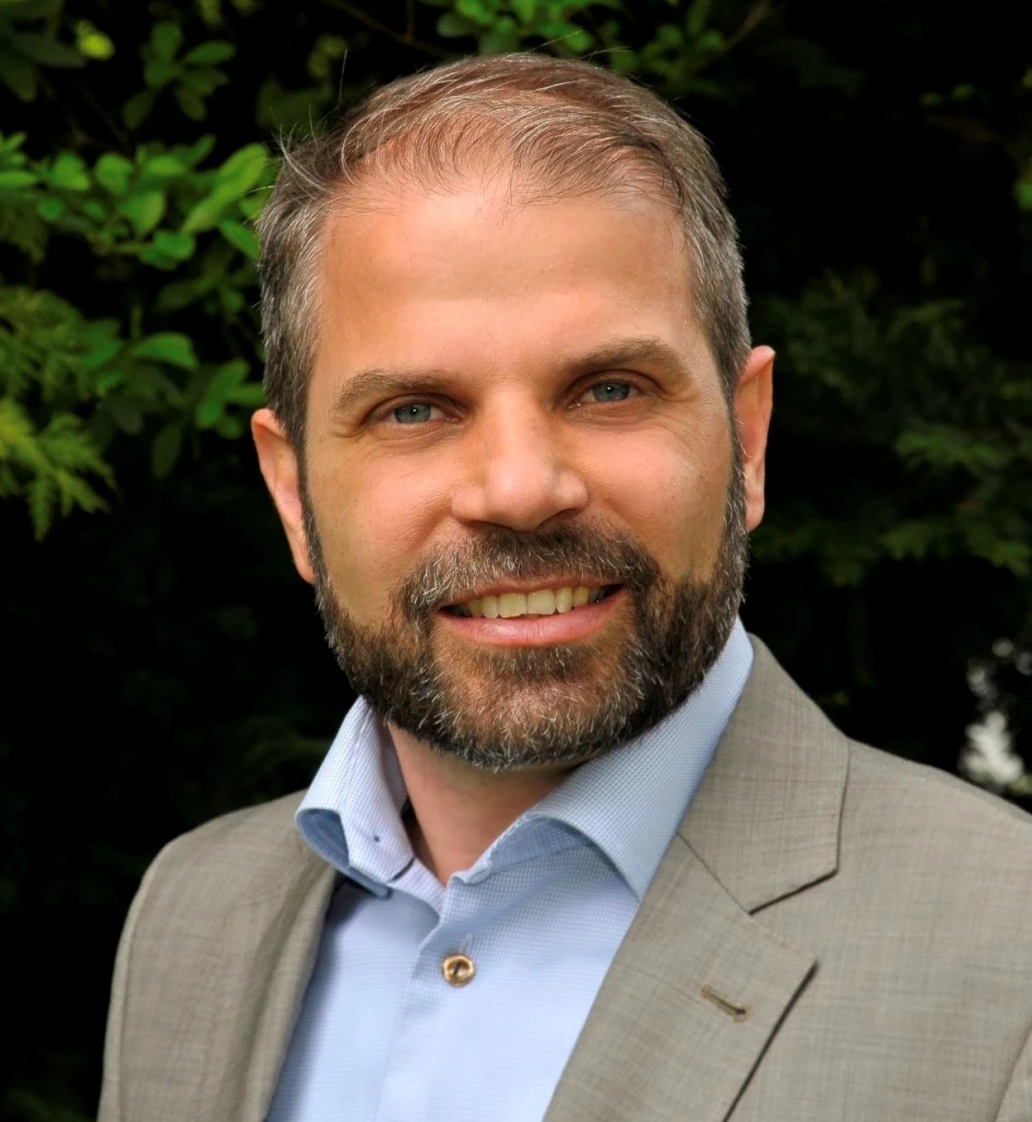
“A milestone year for Cepel, 2024 presented us with a great many challenges and opportunities. Changes in the energy market, an increased integration of intermittent renewable sources that require storage solutions, and challenges regarding controllability, and energy security and accessibility, have led us to reflect on our purpose and redesign the future of the Center.”
Dr. Alexandre Orth
CEO of Cepel
Our softwares and systems keep pace with, and often anticipate, market needs in asset monitoring and management, system control and automation, energy optimization, power grid analysis, prediction and security, and environmental and financial sustainability, among other topics.
The computer models developed by Cepel have been adopted as the official tools used in the planning and operation of the National Energy Grid (SIN), and are essential for ensuring the safety and reliability of the electricity sector. Together with the Open Energy Management System (SAGE), which serves the National Electric System Operator (ONS) and the largest energy companies in Brazil, we provide technologies that make a substantial contribution to the national and international electricity sectors.
Our Solutions are used in 10 countries: Germany, Bolivia, Brazil, Chile, Spain, USA, Mexico, Paraguay, Peru, and Portugal
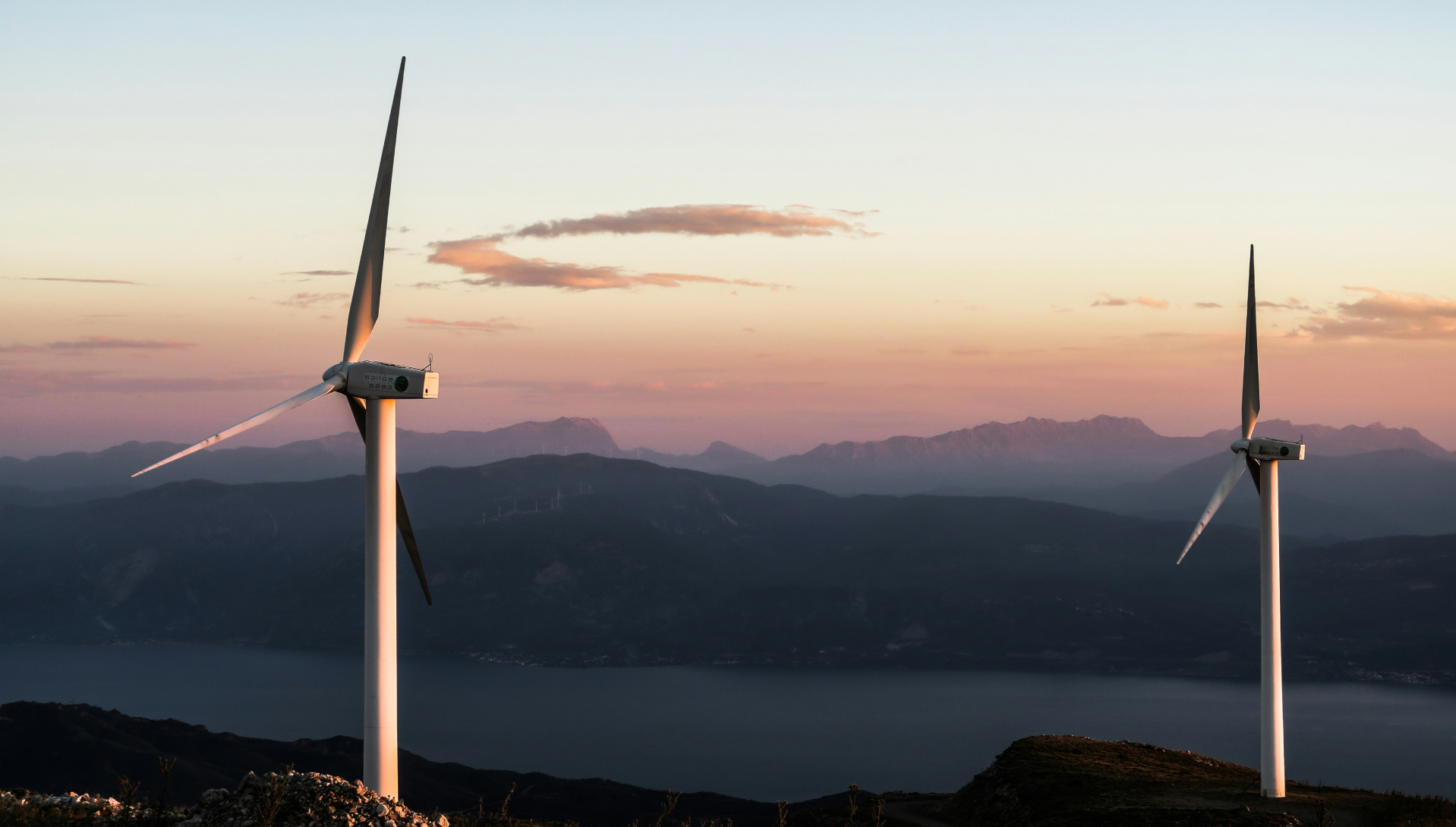
Over the course of the year, we made important technical contributions to driving both the energy transition in Brazil and the technological development of the Brazilian electricity sector: we improved our digital solutions used by various companies and institutions in the sector, advanced research on innovation issues that are crucial to sustainable energy, and updated our portfolio of laboratory and technological services.

In line with its strategic planning, in 2024 Cepel moved forward with actions designed to strengthen its financial sustainability. The main initiatives include cooperation with associates, expanding the provision of technological services, diversifying customers, and raising funds for R&D projects.
The implementation of this system at all Eletrobras companies' facilities saw the following developments in 2024:
Special mention should be made of ATMOS, a hand-held, flexible, and integrated solution that uses meteorological data focused in those regions where Eletrobras has assets to support the company's decision-making regarding operations and maintenance. The solution is part of Eletrobras' Meteorological Monitoring and Intelligence Center.
Participation in an international consortium to conduct the ‘Deep integration between machine learning approaches and renewable energy optimization’ project, coordinated by SINTEF Energy Research in Norway.
Inauguration of Espaço NZEB (Near Zero Energy Building), the first building in Brazil to apply the concept of net energy consumption for its near-zero operation.
The energy transition demands a more reliable, affordable and sustainable energy supply.
Cepel, in its role as an agent of innovation, aims to lead this movement in Brazil and become a global benchmark on the subject. On our innovation horizon, the main themes are:

